

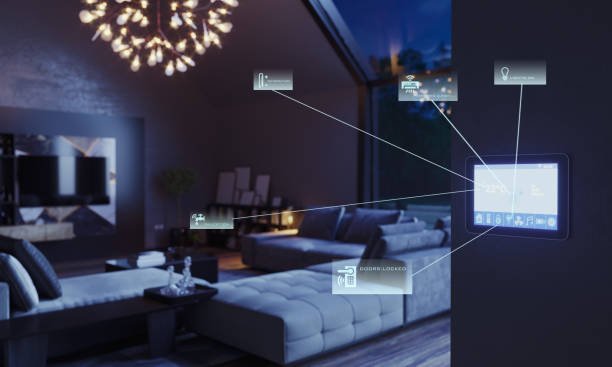
Imagine controlling your home lights with just your voice or smartphone. No more getting up to switch off lights or worrying about leaving them on when you’re away. This is the convenience of smart home lighting—a modern solution that combines technology, comfort, and energy efficiency.
Smart lighting systems allow you to automate, schedule, and control lighting remotely. Whether you want a cozy evening ambiance or bright lighting for work, smart lighting adapts to your needs instantly.
In this guide, we’ll explore everything you need to know about smart home lighting, including its benefits, types, installation, and tips for choosing the right system.
How Smart Home Lighting Works
Smart lighting uses internet-connected devices such as bulbs, switches, and hubs. These devices communicate through Wi-Fi, Bluetooth, or smart home systems.
Many systems integrate with voice assistants like Amazon Alexa, Google Assistant, and Apple HomeKit, allowing voice control for maximum convenience.
Benefits of Smart Home Lighting
-
Convenience and Control
Control lights remotely using your smartphone or voice commands.
-
Energy Efficiency
Smart LED lights consume less energy and reduce electricity bills.
-
Enhanced Security
Schedule lights to turn on/off when you’re away, making your home look occupied.
-
Customizable Ambiance
Adjust brightness and color to suit your mood or activity.
-
Automation
Set schedules for automatic lighting based on time or motion.
Types of Smart Home Lighting
-
Smart Bulbs
These are the easiest way to start with smart lighting.
Popular brands include Philips Hue and Wipro Smart Lighting.
-
Smart Switches
Replace traditional switches and control multiple lights.
-
Smart LED Strips
Perfect for decorative lighting in bedrooms and living spaces.
-
Motion Sensor Lights
Automatically turn on when movement is detected.
-
Smart Lamps
Portable and stylish lighting solutions.
Key Features of Smart Lighting Systems
-
Remote Access
Control lights from anywhere using apps.
-
Voice Control
Use voice assistants for hands-free operation.
-
Scheduling
Set timers for lights to turn on/off automatically.
-
Color Changing Options
Choose from millions of colors.
-
Dimming Capability
Adjust brightness levels as needed.
How to Set Up Smart Home Lighting
Step 1: Choose Your System
Decide whether you want bulbs, switches, or a complete system.
Step 2: Install Devices
Replace existing bulbs or switches with smart ones.
Step 3: Connect to Wi-Fi
Use the manufacturer’s app to connect devices.
Step 4: Integrate with Voice Assistant
Link your system with Alexa, Google Assistant, or Apple HomeKit.
Step 5: Customize Settings
Set schedules, brightness, and automation.
Smart Lighting Ideas for Different Rooms
Living Room
- Warm lighting for relaxation
- Color-changing lights for entertainment
Bedroom
- Soft, dim lighting for better sleep
- Night mode settings
Kitchen
- Bright white lighting for cooking
- Motion sensors for convenience
Bathroom
- Automatic lights with motion detection
Energy Efficiency and Cost Savings
Smart lighting reduces energy consumption by:
- Using LED technology
- Turning off automatically when not needed
- Adjusting brightness based on usage
Over time, this leads to significant cost savings.
Smart Lighting vs Traditional Lighting
| Feature | Smart Lighting | Traditional Lighting |
| Control | Remote & voice | Manual |
| Energy Efficiency | High | Moderate |
| Customization | Advanced | Limited |
| Cost | Higher initial | Lower initial |
Common Challenges and Solutions
-
High Initial Cost
Solution: Start small with a few smart bulbs.
-
Connectivity Issues
Solution: Ensure strong Wi-Fi coverage.
-
Compatibility Problems
Solution: Choose devices compatible with your ecosystem.
Safety and Security Tips
- Use strong passwords for apps
- Keep software updated
- Buy from trusted brands
Future Trends in Smart Lighting
- AI-based lighting systems
- Integration with IoT devices
- Voice and gesture controls
- Eco-friendly innovations
Why Smart Lighting Is Worth It
Smart home lighting is not just about convenience—it’s about transforming your living experience. It improves comfort, enhances security, and reduces energy consumption.
Tips for Choosing the Right Smart Lighting System
- Check compatibility with your devices
- Consider your budget
- Look for energy-efficient options
- Choose reliable brands
Final Thoughts
Smart home lighting is a game-changer for modern living. With its ability to combine technology, efficiency, and style, it offers a smarter way to illuminate your home.
Whether you’re upgrading a single room or your entire house, smart lighting provides flexibility and convenience like never before. From voice control to automation, it simplifies everyday life while enhancing your home’s ambiance.
Start small, explore different options, and gradually build a smart lighting system that suits your needs. Once you experience the convenience, you’ll wonder how you ever lived without it.